
Midwives: Guardians of a Sacred Space
- Sandy Glenn, LM MBC

- May 11
- 3 min read

"And the Creator breathed life into mankind and saw that it was good."
That first breath marks a sacred threshold, a space midwives have protected since the dawn of time. From Shiphrah, who defied a pharaoh to protect the Hebrew children, to Alethia, the symbolic Midwife of Truth who bore witness to the Messiah, to Tavish Brinton, who helped shape the foundations of South Carolina’s midwifery traditions—midwives have always been the sentinels of birth.
In South Carolina, the desire to protect this process has led to a unique and intentional choice: midwives have historically refrained from seeking midwifery statutes.
Understanding the "Alegal" Sanctuary
South Carolina is what is known as an alegal state. While you can obtain a license to practice midwifery here, you are not legally required to have one to attend a birth.
This allows Direct Entry Midwives (DEMs), often called "lay midwives," the freedom to serve families as long as they do not claim credentials they don't hold (such as LM, RN, or MD). This isn't a lack of oversight; it is an intentional preservation of the "private" nature of birth.

Why Choose a DEM?
Licensure offers standardization, insurance billing, and easier hospital referrals. However, it also invites the heavy hand of government. In South Carolina, the primary barrier to licensure isn't the cost or the training—it's the intrusion of agencies often influenced by the very hospital associations that view midwives as competitors.
Who suffers when agencies overreach?
VBAC Mothers: For 20 years, women seeking a Vaginal Birth After Cesarean have often been forced into the shadows. Frightening hospital policies frequently leave them with no choice but a DEM provider to achieve the birth they desire.
Military Families: Tricare military insurance often won't cover Licensed Midwives, leaving families to pay out-of-pocket. DEMs often provide the only affordable path to a community birth.
Religious Communities: For many, birth is a religious rite. They may turn to "Elders" or community midwives as a matter of faith and tradition.
The Current Attack on Autonomy
We are witnessing a shift in the landscape. The Department of Public Health (DPH) has begun conducting massive chart audits, revoking licenses for minor infractions without offering the standard internal peer review.
Most concerning is the recent trend of criminalization. Because there is no formal statute
governing midwifery, two Licensed Midwives were recently arrested and charged with "practicing medicine without a license" while attending home births.
Why the "Lack of Statute" is Your Shield
It sounds counterintuitive, but the absence of a formal statute is what keeps the door to the "sacred space" open.
When a profession is governed by statute, it is governed by the state. When it remains "alegal," it remains a human right. How we birth, how we care for our dead, and how we raise our children are unalienable rights embedded in the soul.
If Licensed Midwives are eventually pushed out by over-regulation and aggressive audits, the "alegal" status of South Carolina ensures that DEMs can still step into the gap. It preserves the right of every family to choose their birth space, free from the requirement of continuous fetal monitoring or being tethered to a hospital bed.
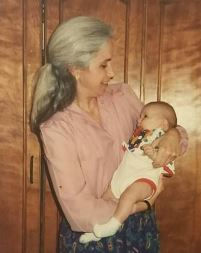
Standing Our Ground
Birth is not a medical procedure to be managed; it is a life event to be honored. By keeping midwifery outside the restrictive walls of state statute, we ensure that the "first breath" remains a moment of grace, not a matter of government compliance.
Note to Readers: To understand the legal standing of these rights, you can review the 2018 South Carolina Attorney General’s Opinion which discusses the complexities of midwifery and the law.


Comments